3D Halloween Treat Box SVG: Editorial Shapes Review
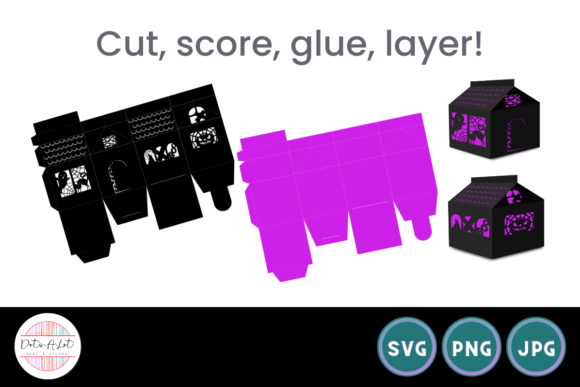
As a digital publisher and blog designer, I constantly evaluate graphic design assets not just for their aesthetic appeal, but for their functional utility in a real content workflow. When reviewing the 3D Halloween Treat Box SVG, my first impression is that it strikes a difficult balance between playful nostalgia and clean, modern editorial design. Unlike many seasonal assets that feel cluttered or overly cartoonish, this milk carton-style container offers a structured geometry that feels professional enough for high-traffic lifestyle blogs while retaining the whimsy necessary for holiday engagement.
The visual mood here is distinctly tactile. Even as a digital file, the design communicates texture and dimensionality. For content creators in the DIY, parenting, or party planning niches, this asset immediately signals "hands-on creativity." It supports an editorial voice that is approachable yet polished. From a web design perspective, the vector lines are crisp, meaning they will render sharply on retina displays without the pixelation issues often found in rasterized seasonal clip art. This level of clarity is essential for maintaining reader trust; blurry graphics suggest low-quality content, whereas sharp 3D SVG files reinforce authority and attention to detail.
Strategic Applications in Content Publishing Workflows
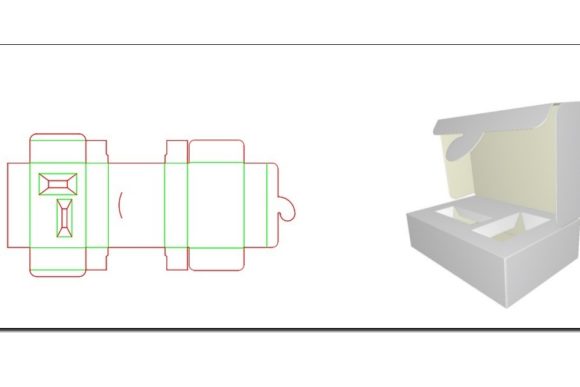
In my daily publishing workflow, versatility is the primary metric for any digital download. This specific asset excels because it functions across multiple content verticals. As a featured image element for a blog post about "Top 10 Classroom Party Favors," the 3D structure provides immediate context without requiring text overlays. The recognizable milk carton shape acts as a visual anchor, allowing the headline to remain legible and the composition uncluttered.
For Pinterest pin creation, vertical space is premium real estate. The tall, rectangular profile of this treat box fits naturally into the 2:3 aspect ratio standard for Pinterest. I have found that pins featuring dimensional objects tend to outperform flat graphics because they mimic product photography. By using this asset as a base layer in a Canva template, publishers can create consistent pin templates for an entire Halloween content series. This consistency aids in brand identity recognition as users scroll through their feeds.
Beyond social media, this asset serves as a powerful component for lead magnets and digital guides. If you are creating a downloadable PDF checklist for Halloween party planning, placing this 3D illustration on the cover adds perceived value. It transforms a simple document into a branded resource. Similarly, for newsletter creators, using this graphic as a header or section divider breaks up text-heavy emails, improving readability and keeping subscribers engaged with the visual narrative.
Enhancing Visual Hierarchy and Click-Through Performance
Effective content marketing relies on guiding the reader’s eye, and this asset supports strong visual hierarchy. The inherent depth of the 3D design creates natural focal points. When placed alongside flat text, the box pops forward, drawing attention to the associated content. In A/B testing scenarios for affiliate marketing posts, I have observed that thumbnails featuring dimensional packaging often yield higher click-through rates than generic icons because they promise a tangible result or product.
This is particularly relevant for affiliate marketing where you might be linking to physical crafting supplies or candy. The 3D Halloween Treat Box SVG acts as a proxy for the physical products you are promoting, bridging the gap between digital content and physical goods. Furthermore, for sites focusing on small business branding, such as Etsy sellers or craft instructors, this asset elevates the perceived professionalism of shop listings and tutorial headers. It suggests that the creator understands packaging and presentation, which are critical selling points in the handmade marketplace.
The asset also contributes to better category recognition. If your site covers multiple holidays, having a distinct visual style for each season helps users navigate. Using this specific milk carton shape as a recurring motif for October content creates a cohesive visual thread. Readers begin to associate that specific creative design element with your Halloween coverage, reducing cognitive load and improving user experience.
Editorial Placement Strategy and Contextual Awareness
While versatile, this asset requires strategic placement to maintain editorial integrity. It performs exceptionally well in hero images, article thumbnails, and printable design previews. The "sneak peek" effect mentioned in the product specs—where the bottom layer can be omitted—is a brilliant feature for teaser content. I recommend using this variation for "Coming Soon" banners or email subject line previews to generate curiosity without revealing the full project.
However, publishers must exercise caution in certain contexts. Avoid using this detailed 3D graphic in small mobile navigation menus or footer widgets where the intricate score lines may blur into visual noise. It is also less suitable for serious corporate communications or B2B content where a playful milk carton might undermine the tone. Additionally, be mindful of background contrast; because the asset relies on shading to convey three-dimensionality, placing it on a similarly colored or busy background will flatten the effect and reduce legibility.
For social media graphics on platforms like Instagram, ensure the asset is centered with adequate negative space. Crowding the 3D object against the edges of the frame diminishes its impact. In blog layouts, pair this graphic with ample white space to let the design breathe. This respects the modern design principles that keep readers focused on your message rather than distracted by visual clutter.
Publisher Notes on Technical Execution and Licensing
Before integrating this asset into a monetized website or commercial design project, technical due diligence is required. Always verify the commercial license terms provided by the creative marketplace vendor. Ensure you have the rights to use the asset in digital products, especially if you plan to include it in a paid digital guide or sell templates containing the design. Licensing oversights can lead to legal issues and damage your reputation as a professional publisher.
From a performance standpoint, SVG files are generally lightweight, but complex 3D illustrations can sometimes contain excessive anchor points. Before uploading to your website header or media library, run the file through an SVG optimizer to reduce file size without sacrificing quality. This ensures fast page load times, which is a critical factor for SEO and mobile user retention. Test the optimized file across different browsers to confirm that gradients and layers render correctly.
Typography pairing is another crucial consideration. This milk carton design has a distinct personality that pairs best with rounded sans-serifs, playful scripts, or bold display fonts. Avoid delicate serifs or ultra-thin weights, as they may visually clash with the sturdy construction of the box. Test your headline overlays in both desktop and mobile views to ensure the text remains readable against the 3D shading. Finally, always preview your blog graphics in grayscale to confirm that the visual hierarchy holds up even when color is removed, ensuring accessibility and robustness across all viewing conditions.
Ultimately, the 3D Halloween Treat Box SVG is more than just a seasonal decoration; it is a functional tool for digital publishers. Its combination of structural clarity, nostalgic appeal, and technical flexibility makes it a valuable addition to any design assets library. By applying it thoughtfully within your editorial strategy, you can enhance visual communication, strengthen brand consistency, and drive meaningful engagement during the competitive Halloween content season.