Puppy: A Designer’s Review for Embroidery Projects
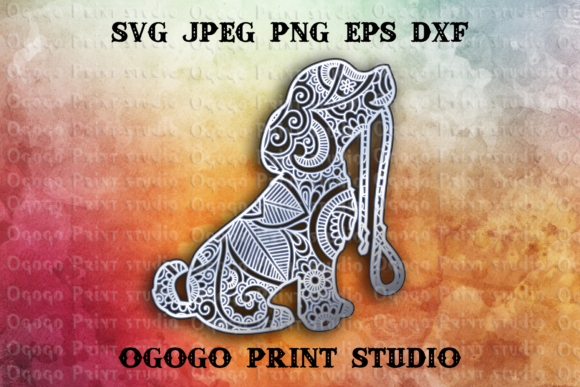
When evaluating a new design asset for my studio, I look beyond the screen preview to imagine how it will actually perform under the needle. The Puppy layered cut file presents an interesting opportunity for mixed-media creators. While primarily marketed as a 3D SVG and multilayered mandala monogram vector for cutting machines like Cricut or Silhouette, its geometric structure offers significant potential for machine embroidery designers willing to adapt it. As someone who regularly produces custom apparel and personalized gifts, I approached this design not just as a digital file, but as a blueprint for a tangible handmade product.
First Impressions: Mood and Structural Integrity
My initial assessment of Puppy focuses on its visual personality and layout. The mandala-style layering suggests a balance between playful subject matter and sophisticated geometry. For an embroidery project, this is crucial. Purely illustrative puppy designs can sometimes look juvenile, but the mandala influence elevates it toward boutique-quality aesthetics. This makes it suitable for adult custom apparel, tote bag designs, and nursery decor that appeals to modern parents rather than just children.
The three-layer construction is the standout feature here. In the context of craft-cutting, this creates depth through paper or vinyl stacking. Translating this to embroidery, those layers become natural breakpoints for different stitch types. I immediately visualize the outer layer as a satin stitch border, the middle layer as a textured fill stitch, and the inner details as running stitch accents. This inherent separation in the vector file reduces the guesswork when digitizing or adapting the design for fabric application.
Real-World Application: Stitching the Custom Sweatshirt
To truly judge Puppy, I mentally walked through a recent client request: a custom embroidered sweatshirt for a pet boutique owner wanting branded merchandise. She needed something recognizable yet stylish enough for daily wear. This is where the design’s versatility shines.
For this sweatshirt embroidery project, the mandala aspect provides excellent coverage without excessive stitch density. Heavy, dense designs on fleece can cause puckering or stiffness. Because Puppy relies on layered shapes rather than solid blocks of ink-like thread, it maintains the garment's drape. I would utilize the three distinct layers to create dimension using thread colors rather than foam or padding. For example, using a cream base, a gold metallic middle layer, and a deep brown top layer creates a premium look that justifies a higher price point for Etsy sellers and small shop products.
This design also translates beautifully to embroidered patches. The defined edges of the vector shapes make it ideal for merrowed borders or heat-seal backing. A patch version of Puppy could serve as a versatile add-on product for craft business owners, allowing customers to customize denim jackets or caps without committing to direct embroidery.
Navigating Fabric Limitations and Hoop Constraints
Despite its strengths, Puppy requires careful consideration regarding placement and substrate. Not every fabric welcomes intricate layering. When working with textured fabrics like terry cloth towels or chunky knits, the fine details of the mandala elements risk getting lost. In these cases, I recommend simplifying the design by removing the innermost layer or increasing the spacing between elements to prevent visual clutter.
Stretchy fabrics present another challenge. If you are planning baby embroidery on onesies or lightweight jersey tees, the stability of the design depends entirely on your stabilizer choice. The geometric nature of Puppy means any distortion during stitching will be immediately obvious; circles will become ovals, and symmetry will break. Always use a high-quality cut-away stabilizer for stretch garments and consider a water-soluble topping to keep stitches crisp.
Hoop size is another practical constraint. While the 3D SVG format scales infinitely on screen, embroidery has physical limits. Before committing to a large tote bag design or pillow cover, verify that the detail level remains legible at your intended size. Tiny corners in the mandala pattern may require needle repositioning that exceeds standard hoop capabilities. I always advise testing the design at the exact target dimensions on scrap fabric first. If the smallest details disappear or cause thread breaks at smaller sizes, reserve Puppy for larger formats like blankets or aprons.
Commercial Viability and Brand Consistency
For Etsy sellers and creative entrepreneurs, design assets must do more than look pretty; they must sell. Puppy strikes a strong balance for commercial embroidery because it bridges niches. It works equally well for holiday embroidery (think festive colorways) and evergreen pet lover gifts. This flexibility maximizes the return on investment for digital embroidery files.
However, professional presentation matters. When creating printable mockups or listing photos, ensure the digital representation matches the stitched reality. The clean lines of the vector file should translate to clean stitching. If your machine struggles with the tight curves of the mandala, adjust the stitch angle or density before selling the finished product. Customer trust is built on consistency; the item they receive must reflect the quality promised in your design assets.
Also, consider the licensing. Since Puppy is described as a vector cutting file, confirm whether the creator permits derivative embroidery works for commercial sale. Some licenses cover personal crafting but restrict selling finished goods or modified digital embroidery files. Clarifying this upfront protects your business and respects the original designer’s intellectual property.
Essential Technical Notes for Makers
Before loading Puppy into your machine or digitizing software, run through this practical checklist to ensure success:
- Test on Scrap Fabric: Never stitch a new adaptation directly on a client’s garment. Verify how the layers interact and whether the stitch density suits your specific material.
- Check Thread Color Contrast: The three-layer effect relies on differentiation. Test combinations in natural light. Low-contrast threads will flatten the design, negating the 3D aesthetic.
- Review Stitch Density: Vector lines have no thickness, but stitches do. Ensure overlapping layers don’t create bulletproof spots that could damage delicate fabrics or break needles.
- Confirm Hoop Size Compatibility: Measure the final design dimensions against your available hoops. Leave adequate margin for hooping and machine movement.
- Inspect Small Details: Zoom in on the mandala intersections. If gaps are smaller than 1mm, consider merging them or converting them to running stitches to avoid registration issues.
- Evaluate Background Compatibility: Test the design on both light and dark fabrics. You may need to add an underlay or white base layer for dark garments to maintain color vibrancy.
- Verify Licensing Terms: Double-check usage rights for both personal projects and commercial embroidery sales before listing items in your shop.
Final Thoughts on Design Adaptation
Puppy represents a valuable asset for makers who understand the translation between digital vectors and physical thread. Its strength lies in its structured layering, which provides a roadmap for dimensional embroidery without requiring complex redigitization from scratch. Whether you are creating a personalized gift for a dog mom, stocking your Etsy shop with unique patches, or developing branded merchandise for a pet business, this design offers a solid foundation.
Success with this file comes down to respecting the medium. Treat the vector as a guide, not a guarantee. By paying attention to stabilizer selection, thread contrast, and fabric compatibility, you can transform this 3D SVG into a professional-grade embroidery project that delights customers and showcases your craftsmanship. Always prioritize test stitches over assumptions, and let the quality of your finished product speak to your expertise as a maker.