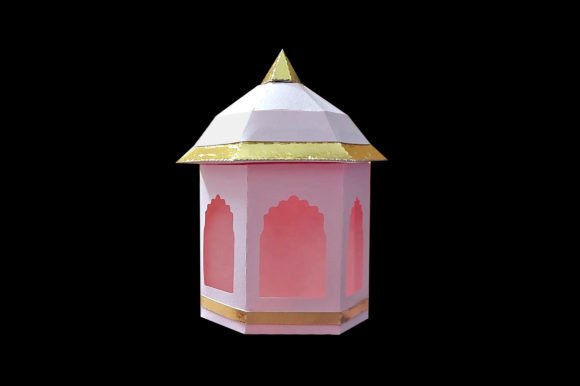
DIY Jharokha: 3D Papercraft for Embroidery
Translating Architectural Paper Art into Stitched Textiles
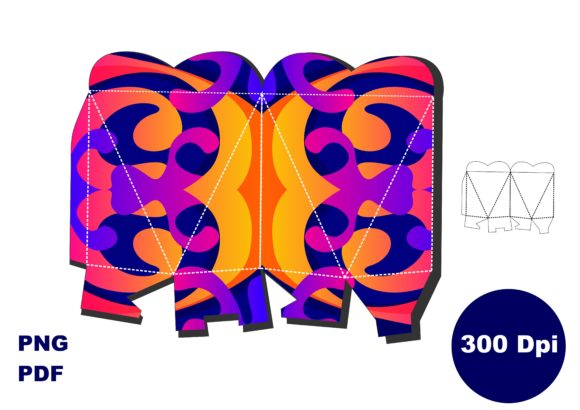
As a designer who constantly bridges the gap between digital assets and tangible handmade products, I often look outside traditional embroidery libraries for inspiration. When I first encountered the DIY Jharokha - 3d Papercraft files, my immediate thought was not about glue or scissors, but about how these intricate geometric lines could translate into a machine embroidery design. While this product is marketed as a papercraft template with PDF, EPS, DXF, and PNG formats, an experienced digitizer sees something else: a precise architectural blueprint ready for textile adaptation.
The Jharokha window is a traditional Indian overhanging enclosed balcony, rich in cultural heritage and visual complexity. In its intended paper form, it creates depth through layering. For us in the craft business or Etsy seller community, this shape offers a unique opportunity to create custom apparel and home decor that stands out from generic floral or monogram designs. However, moving from a vector cut file to a digital embroidery file requires careful judgment. The original assembled size of 152 x 119 x 16 cm provides excellent detail, but scaling this down for a hoop size compatible with garments demands a critical eye for structural integrity and stitch clarity.
Real-World Application: Designing a Boutique Tote Bag
To truly evaluate this asset, I approached it with a specific project in mind: a premium canvas tote bag design for a small shop product line focused on bohemian and global aesthetics. My goal was to use the Jharokha silhouette as a central motif, combining the crisp geometry of the papercraft vectors with the warmth of thread.
Using the included EPS and DXF files as a tracing guide, I visualized the design as a mixed-media applique design. Instead of attempting to replicate the 3D paper assembly directly in thread—which would result in excessive bulk and potential machine jams—I used the outer arches as satin stitch borders and the inner lattice work as delicate running stitches. The result was a stunning, breathable motif that retained the architectural majesty of the original Shapes category file without compromising the drape of the canvas fabric.
For an Etsy seller or maker, this adaptability is where the value lies. The clean vector lines of the 3D SVG and companion files allow you to create custom embroidered patch patterns or direct-to-garment stitching that looks professionally digitized rather than auto-traced. During my test run on a scrap of natural cotton duck canvas, the geometric precision of the Jharokha design communicated high-end craftsmanship. Customers browsing handmade product listings are drawn to this level of specificity; it signals that the item is a curated piece of art, not just a quick stitch-out.
Navigating Fabric Constraints and Technical Limitations
While the aesthetic potential is high, practical application requires caution. The DIY Jharokha - 3d Papercraft features sharp angles and fine internal details that behave differently on fabric than on paper. As an evaluator, I must highlight where this design needs modification before it touches your needle.
- Fabric Texture and Stability: This design relies on straight, architectural lines. On textured fabrics like linen or terry cloth, those lines can get lost or appear jagged. A firm, woven fabric is essential. You must use appropriate stabilizer; a cut-away backing is non-negotiable for maintaining the geometric accuracy of the window arches during stitching.
- Stretchy and Thin Materials: Avoid using this complex geometry on jersey knits or thin rayon unless heavily stabilized. The density required to define the Jharokha shape can cause puckering on stretch fabrics, distorting the symmetry that makes the design beautiful.
- Small Hoop Sizes: The original dimensions are generous. If you scale this down below 4 inches for baby embroidery or sleeve cuffs, the internal lattice details will merge. You cannot simply shrink a papercraft vector; you must simplify the stitch density and remove interior elements to prevent thread buildup and needle breaks.
- Curved Surfaces: Be wary of placing this rigid architectural shape on curved surfaces like caps. The distortion inherent in cap framing can make the symmetrical window look crooked. Flat sweatshirt embroidery or pillow covers are safer canvases for preserving the design's intent.
Enhancing Product Value and Brand Perception
In the competitive landscape of commercial embroidery and personalized gifts, uniqueness drives sales. The Jharokha motif carries an inherent sense of history and sophistication. When applied correctly, it elevates the perceived value of a finished product. Unlike standard clipart, adapting a specialized architectural template demonstrates design intentionality.
For holiday embroidery or wedding gifts, this shape works beautifully as a frame. Imagine the Jharokha arch stitched in gold metallic thread surrounding a couple’s initials or a holiday greeting. The cultural resonance adds a layer of storytelling that buyers love. Furthermore, because the source files include high-resolution PNGs and vectors, you can create cohesive branding across platforms. Use the same Jharokha graphic for your printable mockup, packaging stickers, and the actual embroidered item. This consistency builds brand recognition and trust, showing customers that your design assets are part of a thoughtful collection.
Critical Notes for the Professional Digitizer
Before you commit this design to a commercial run or list it as a personalized gift option, please adhere to these professional best practices. Remember, this product is sold as a papercraft template, not a pre-digitized embroidery file. You are responsible for the translation.
- Verify Licensing: Since this is a digital template for crafting, confirm whether the license permits commercial use of derivative embroidery designs. Do not assume you can sell the digitized file itself; typically, you can only sell the physical custom apparel or finished goods you create.
- Test Stitch Density: Paper craft lines have zero thickness. When assigning stitch types, ensure your satin stitch width is sufficient to cover the fabric grain but narrow enough to remain elegant. Test on scrap fabric first to check for gaps or tunneling.
- Thread Color Contrast: Architectural details die without contrast. If stitching on dark fabric, use light or metallic thread colors to make the lattice pop. Always review your design in black and white mockups to ensure the values hold up regardless of color choice.
- Simplify for Washability: If this is for baby clothes or kitchen towels that need frequent washing, avoid dense fill stitches in the center. Opt for outline or redwork styles to keep the fabric soft and durable. Heavy paper-craft-inspired fills can become stiff and abrasive after laundering.
- Check File Compatibility: While you receive EPS and DXF files, ensure your embroidery software imports them cleanly. Sometimes vector nodes from papercraft templates are too complex for embroidery software. Simplify the node count before generating stitches to avoid jagged edges.
The DIY Jharokha - 3d Papercraft is a remarkable resource for the creative entrepreneur willing to do the translation work. It offers a departure from standard embroidery tropes, providing a structured, culturally rich aesthetic that can define a boutique brand. By respecting the technical differences between paper and thread, and by testing rigorously on your chosen substrates, you can turn these digital blueprints into exquisite, marketable textile art. Whether for a signature tote bag line or a bespoke nursery decor piece, this design rewards patience with unparalleled visual elegance.