Los Angeles Paper Cut 3D Shadow Box SVG Review
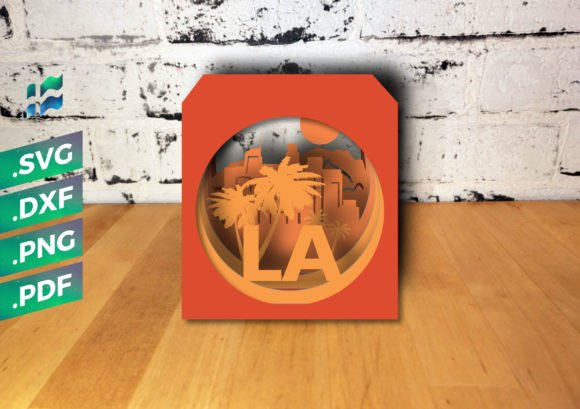
As a designer who constantly bridges the gap between digital assets and tangible, stitched goods, I approach every new file with a healthy dose of skepticism. When I first opened the Los Angeles Paper Cut 3D Shadow Box SVG, my immediate thought was not about paper crafting, but about translation. How does a design intended for layered cardstock perform when converted into thread? The description highlights iconic LA landmarks, palm trees, sunsets, and skyscrapers arranged in a cube format. While this is marketed as a DIY paper project for kids or hobbyists, I see something different: a rich source of geometric inspiration for machine embroidery design and structured appliqué work.
My evaluation focuses on whether this asset can survive the transition from screen to fabric. For Etsy sellers, craft business owners, and makers looking for fresh West Coast aesthetics, this review breaks down the practical reality of using this 3D SVG concept in real-world production.
Translating Paper Layers to Stitch Density
The visual personality of the Los Angeles Paper Cut 3D Shadow Box SVG is undeniably striking. It relies on depth, silhouette, and negative space—elements that define the "paper cut" aesthetic. In the digital realm, these layers are crisp and effortless. In embroidery, however, they require careful interpretation. The skyline and palm tree motifs are bold, which is excellent for visibility on finished products, but the intricate layering implies high stitch density if replicated directly.
When I visualize this as an applique design, the potential is massive. Instead of stacking physical paper, we can stack fabric layers secured with satin stitch borders. The sunset gradient mentioned in the product details suggests an opportunity for thread blending or ombré fill stitch techniques. However, a direct conversion without editing could result in a bulletproof patch that puckers lightweight fabrics. As a professional, I value this SVG as a structural blueprint rather than a ready-to-stitch file. It forces you to think about fabric texture and stabilization before you ever thread a needle.
Real-World Application: The Custom Tote Bag Test
To truly judge this design, I mentally prototyped it for a specific client request: a premium canvas tote bag for a Los Angeles-based boutique hotel. They wanted a souvenir that felt handmade yet sophisticated, avoiding the cheap tourist-trap look. This is where the Los Angeles Paper Cut 3D Shadow Box SVG shines as a conceptual anchor.
For this tote bag design, the cube perspective offers a unique layout challenge. Totes are flat, but the design implies volume. I envisioned adapting the "cube" faces into three distinct vertical panels on the bag front. The iconic LA letters would serve as the central focal point using heavy-weight twill appliqué, while the palm trees and skyscrapers could be rendered in running stitch outlines to maintain flexibility. This adaptation respects the original 3D SVG intent while acknowledging the limitations of canvas. Customers react positively to dimensional embroidery because it feels expensive; by utilizing the shadow box layering concept with varying fabric weights, we create tactile interest that prints simply cannot achieve.
Navigating Fabric Limitations and Hoop Sizes
While the aesthetic is versatile, technical execution requires caution. Not every garment can handle the complexity inherent in a shadow box style.
- Stretchy Fabrics: Using this design on performance wear or thin jersey knits is risky. The multiple layers of the LA skyline and lettering create significant pull. Unless you use a cut-away stabilizer and potentially a topping, the fabric will distort, ruining the clean lines essential to the paper-cut look.
- Small Hoop Sizes: The detail level of skyscrapers and palm fronds demands space. Attempting to shrink this design for a baby onesie or cap will result in lost definition. Tiny lettering in the "LA" block may turn into illegible lumps of thread. Always verify your hoop size against the design’s minimum recommended dimensions.
- Dark vs. Light Fabrics: The "sunset" element relies heavily on color contrast. On dark navy or black sweatshirts, you must account for underlay stitches to prevent the fabric color from bleeding through lighter thread colors. Conversely, on white fabrics, ensure your fill stitch density is sufficient to provide opacity without becoming stiff.
- Curved Surfaces: Caps and sleeves present alignment challenges for multi-layer designs. The rigid geometry of the cube/skyline motif fights against the curve of a hat brim. I recommend testing on a flat surface first or simplifying the design to a single face of the cube for curved items.
Commercial Viability for Makers and Sellers
For those running a small shop product line or selling on Etsy, uniqueness is currency. The Los Angeles Paper Cut 3D Shadow Box SVG provides a distinct niche advantage. Most LA-themed embroidery is generic script or simple silhouettes. This design’s architectural, layered approach signals professionalism and artistic intent.
However, commercial viability also depends on efficiency. A design that takes four hours to stitch is rarely profitable for everyday apparel. I advise analyzing the stitch count after digitizing. Can the skyscraper windows be simplified? Can the palm tree fronds be merged to reduce trims? These adjustments preserve the visual impact of the 3D SVG while making the commercial embroidery process sustainable. Additionally, always confirm licensing. Just because a file is sold as a DIY asset does not automatically grant rights to sell finished embroidered merchandise or resell the digitized version. Protect your business by verifying terms before listing any personalized gift or retail item.
Designer Notes for Successful Execution
Before committing this design to a final handmade product, run through this practical checklist derived from years of troubleshooting complex embroidery files:
- Test on Scrap Fabric First: Never assume settings transfer perfectly. Test the layering sequence on the exact fabric weight you intend to use. Check for registration errors between the LA letters and the background skyline.
- Evaluate Thread Color Contrast: Print a black and white mockup of the design. If the layers disappear in grayscale, they lack sufficient contrast in thread form. Adjust values to ensure the "shadow box" depth reads clearly.
- Review Stabilizer Strategy: Given the mixed media nature of the original 3D SVG inspiration, treat your embroidery like mixed media. Use tear-away for stable wovens and cut-away for anything with stretch. Consider a water-soluble topping for textured fabrics like terry cloth to keep the palm tree details crisp.
- Inspect Small Details: Zoom in at 200% in your software. Are the skyscraper spires wider than 1mm? Is the text legible at the intended size? Edit ruthlessly. Clarity beats complexity in embroidery.
- Mockup Presentation Matters: When selling this as a service or product, use realistic printable mockups that show texture. Buyers need to understand that this is a stitched interpretation of a paper cut concept, not a printed graphic. Managing expectations builds trust.
Final Verdict on Design Utility
The Los Angeles Paper Cut 3D Shadow Box SVG is more than a craft template; it is a sophisticated visual framework for textile artists. It captures the mood of Los Angeles through structure and light rather than cliché. For the experienced embroiderer willing to adapt its paper-centric logic to thread mechanics, it offers a pathway to creating high-value, recognizable goods. Whether you are stitching a custom apron for a cafe, designing nursery decor with a West Coast vibe, or expanding your digital embroidery file catalog, this asset serves as a robust starting point. Just remember: respect the fabric, simplify for the needle, and let the dimensional beauty of the design elevate your craftsmanship above the standard market offerings.