Mardi Gras Mask 3D SVG: Editorial Asset Review
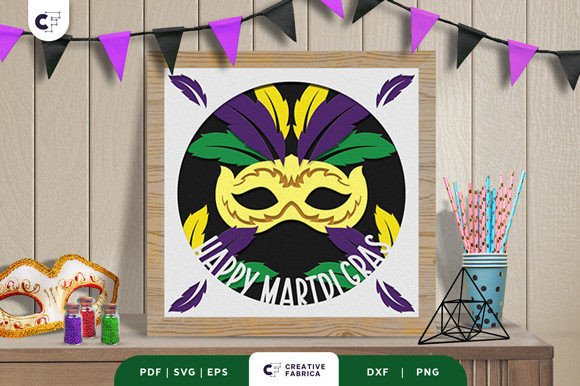
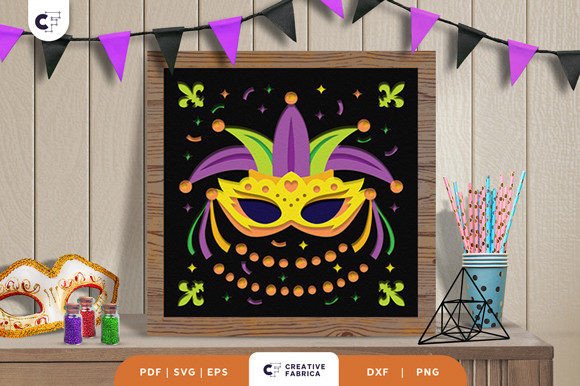
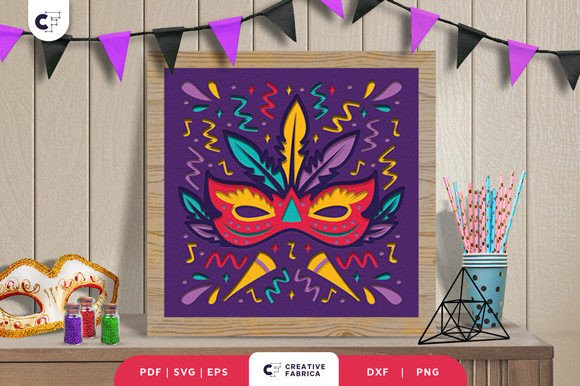
As a digital publisher and blog designer, I constantly evaluate graphic design assets not just for their aesthetic appeal, but for their functional utility in a real content workflow. When reviewing the Mardi Gras Mask 3D Shadow Box SVG, my primary focus is on how this specific visual element translates across different publishing platforms. The first impression of this asset is distinctly celebratory yet structured. Unlike flat vector art that can sometimes feel generic or overly corporate, this design leverages depth to create a tactile experience. The rich purple background serves as an immediate anchor, signaling festivity without descending into visual chaos. For editors and content creators, this specific color choice is strategic; purple is historically associated with royalty and justice in Mardi Gras tradition, lending an air of authenticity to seasonal content.
The intricate details derived from confetti ornaments—including stylized cones, beads, and ribbons—create a sense of movement that static images often lack. From an editorial design perspective, this texture is invaluable. It suggests a lifestyle-focused narrative rather than a dry informational post. This asset naturally supports niches centered around DIY crafts, party planning, cultural celebrations, and home decor. It feels handmade and artistic, which helps build immediate rapport with readers looking for genuine creative inspiration rather than mass-produced content. The 3D SVG format ensures that these layers remain crisp at any resolution, a critical factor for maintaining professional standards in web design.
Strategic Applications in Content Publishing Workflows
In a real-world publishing scenario, versatility is the metric by which I judge any digital download. The Mardi Gras Mask 3D Shadow Box SVG excels because it functions as more than just a decoration; it is a modular component of a larger visual strategy. For blog graphics, this asset works exceptionally well as a featured image centerpiece. When paired with bold typography, the shadow box effect creates a natural frame for headlines, improving the visual hierarchy of the page. This is particularly useful for affiliate marketing posts reviewing craft supplies or party vendors, where the visual needs to bridge the gap between product promotion and editorial storytelling.
Beyond standard blog headers, this asset is a powerhouse for Pinterest pin creation. The verticality inherent in many shadow box designs aligns perfectly with Pinterest’s preferred aspect ratios. The high contrast between the purple background and the lighter confetti details ensures readability even when viewed as a small thumbnail in a crowded feed. For newsletter creators, this graphic serves as an excellent header or section divider that breaks up text-heavy emails, increasing engagement rates by providing visual relief. I have also found this type of layered SVG ideal for lead magnets and digital guides. If you are creating a printable design checklist or a party planning eBook, using this asset on the cover establishes a cohesive brand identity that carries through to the interior pages.
For those utilizing Canva templates, importing this 3D SVG allows for non-destructive scaling and color adjustments that raster images simply cannot match. This flexibility is essential for small business branding where consistency across social media graphics, website banners, and printed materials is paramount. The asset supports content performance by making clickable elements look intentional and polished, directly influencing click-through potential.
Optimizing Visual Hierarchy and Reader Trust
Visual communication is about guiding the reader’s eye, and the Mardi Gras Mask 3D Shadow Box SVG offers distinct advantages in this area. The layered nature of the file creates physical depth that mimics real-world objects. In web design, this subtle skeuomorphism can increase dwell time by making the page feel more interactive and less sterile. When used as a category thumbnail, it provides instant recognition for seasonal archives, helping users navigate your site intuitively. This clarity reduces bounce rates and signals to search engines that your content is well-structured and relevant.
However, trust is built through consistency and quality. Using a high-fidelity 3D SVG demonstrates a commitment to modern design standards. Readers subconsciously associate crisp, scalable graphics with authoritative sources. Conversely, pixelated or poorly composed clip art can undermine credibility. This asset avoids that pitfall by offering clean lines and professional composition. For commercial design projects, such as selling printables or promoting affiliate products, this level of polish is non-negotiable. It elevates the perceived value of whatever product or content it accompanies, making your digital product listings appear more premium and desirable.
Placement Strategy: Where It Shines and Where to Pause
While this graphic design asset is robust, knowing where to deploy it is as important as the asset itself. It performs best in hero sections, article thumbnails, and as a focal point in editorial layouts. The depth of the shadow box demands space to breathe; therefore, it thrives in wide-format website headers or dedicated graphic blocks. It is also highly effective in content upgrades, such as downloadable worksheets or checklists, where the visual reinforces the theme of the bonus material.
Conversely, there are environments where this asset requires caution. Avoid using it in small mobile thumbnails where the intricate confetti details may blur into noise. Similarly, if your blog layout is already dense with sidebar widgets, ads, and pop-ups, adding a complex 3D graphic might overwhelm the user interface. It is also less suitable for serious professional niches or corporate content where a minimalist aesthetic is required. The playful, ornate nature of the Mardi Gras Mask 3D Shadow Box SVG clashes with austere business topics. Always consider the emotional tone of your article before inserting festive imagery; mismatched visuals can confuse readers and dilute your message.
Publisher Notes: Technical Testing and Licensing Compliance
Before integrating this asset into a live production environment, I recommend a rigorous testing protocol. First, preview the SVG inside your actual blog layout on both desktop and mobile screens. Check how the purple background interacts with your site’s existing color palette and ensure sufficient contrast against surrounding elements. Test the graphic alongside various typography styles; it pairs beautifully with elegant serif fonts for a traditional look or bold sans-serif fonts for a modern twist. Be wary of placing it next to overly decorative script fonts, as the competing visual complexity can reduce legibility.
Performance is another critical consideration. While SVGs are generally lightweight, complex 3D compositions can sometimes carry hidden code bloat. Always run the file through an SVG optimizer to reduce file size without sacrificing quality, ensuring fast load times for SEO and user experience. Additionally, verify the commercial license terms before using the asset on monetized websites, affiliate pages, or paid digital products. Understanding whether you can use the design in a Canva template for resale versus personal blog use protects your business from legal issues. Finally, test the asset in grayscale to ensure the visual hierarchy holds up even when color is removed, guaranteeing accessibility and print compatibility for any physical collateral you might produce.