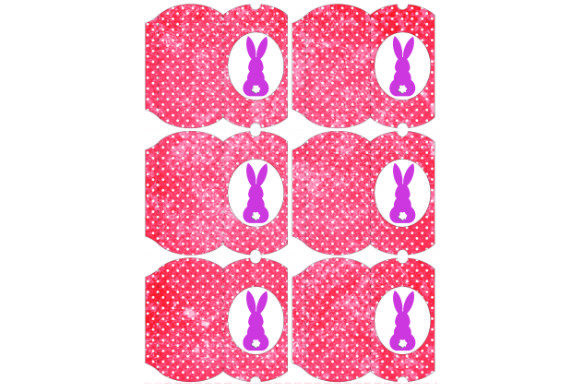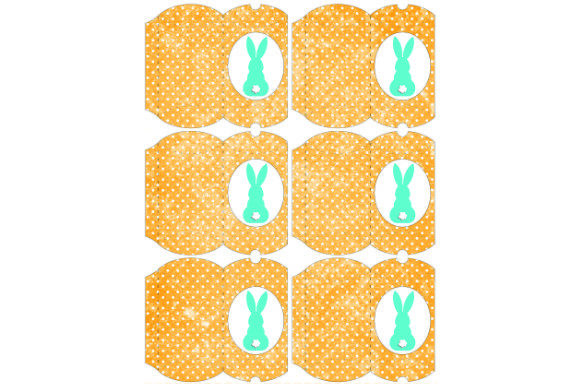
Pillow Boxes Bunny a.3: 3D SVG Gift Boxes for Branding
First Impressions: Whimsical Charm Meets Functional Packaging Design
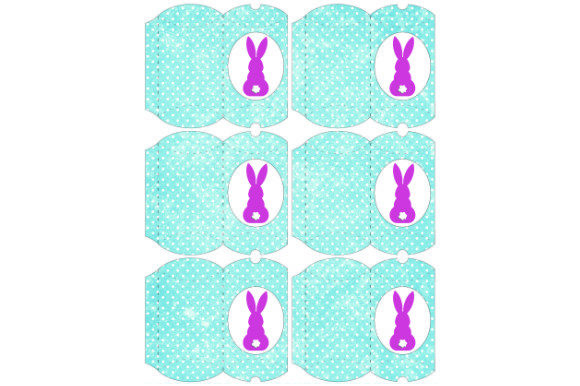
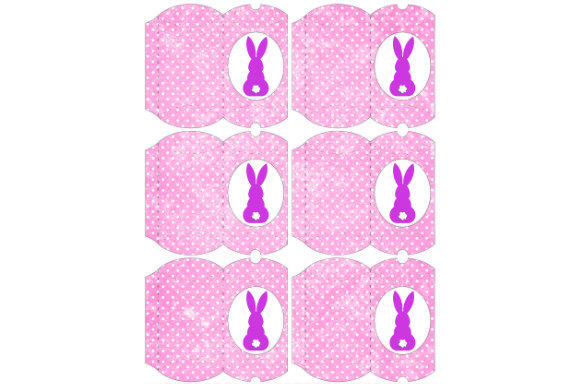
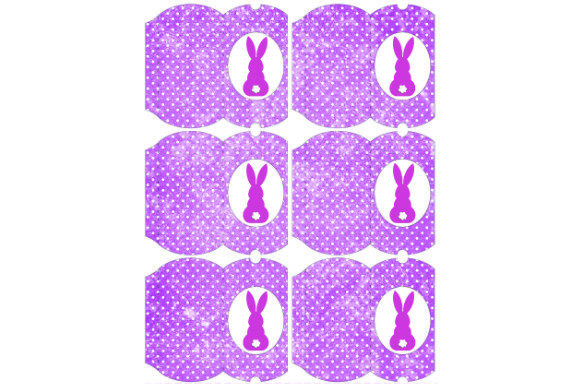
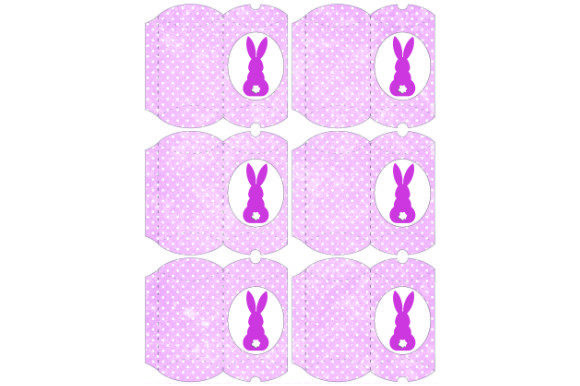
As a brand designer working primarily with local artisans and boutique retailers, my first interaction with Pillow Boxes Bunny a.3. was evaluated through the lens of shelf appeal and emotional connection. This isn't just a decorative element; it is a functional graphic design asset that immediately suggests a brand personality rooted in warmth, nostalgia, and handcrafted care. The aesthetic leans heavily into soft femininity and playful elegance, making it an ideal candidate for businesses that rely on tactile customer experiences. When I opened the file set, described as a collection of six tiny printable pillow boxes perfect for gift-giving occasions, bridal showers, and baby events, I saw immediate potential beyond simple party favors. For a small business owner, this asset communicates "thoughtful" before the customer even opens the package.
The mood created by this 3D SVG collection is distinctly artisanal yet polished. It avoids the sterile look of mass-produced packaging while maintaining enough structural integrity to feel professional. In my current project for a local organic skincare line specializing in botanical bath salts, this bunny motif served as the perfect bridge between their clinical ingredient list and their desire to be seen as a comforting self-care ritual. The design feels premium without being stuffy, suggesting a handmade business that values detail. It is particularly effective for brands targeting demographics that appreciate cottage-core aesthetics, nursery themes, or seasonal spring promotions. However, designers must recognize that this level of illustrative detail demands space; it is a statement piece, not a background texture.
Integrating Bunny Motifs into Cohesive Small Business Branding
In real-world commercial design, versatility is non-negotiable. I tested Pillow Boxes Bunny a.3. across multiple touchpoints for a hypothetical bakery and gift shop hybrid to see how well it translates from physical packaging to digital marketing visuals. The strength of this asset lies in its ability to unify disparate elements of a brand identity. On physical product labels, the bunny illustration works beautifully as a seal of authenticity or a corner accent on kraft paper tags. Because these are designed as pillow boxes, they naturally lend themselves to favor packaging, but as a designer, I repurposed the flattened vector elements for thank-you cards and sticker designs included in shipping boxes.
For social media graphics, this asset shines in flat-lay photography compositions and Instagram story templates. I found that using the bunny graphic as a digital overlay on product photos helped create a consistent visual language across the feed, reinforcing brand recognition without needing to reshoot inventory. In web design, specifically for landing pages promoting seasonal bundles or wedding favors, the illustration adds necessary whitespace interest and guides the eye toward call-to-action buttons. It supports editorial design in printed menus or price lists by breaking up dense text blocks with friendly imagery. For creative entrepreneurs selling at craft fairs, printing these actual pillow boxes creates an unboxing experience that customers will photograph and share, effectively turning your packaging design into free user-generated content.
Strategic Placement: Enhancing Shelf Appeal and Customer Trust
Knowing where to place a decorative asset is just as important as choosing it. Pillow Boxes Bunny a.3. excels in areas where emotional resonance drives purchasing decisions. It is best utilized on hero graphics for seasonal campaigns, boutique visuals for children’s products, and as a primary decorative element on favor boxes for weddings and showers. In these contexts, the illustration builds trust by signaling that the business has invested in a cohesive, high-quality presentation. A polished product mockup featuring these boxes can significantly increase perceived value compared to generic stock packaging.
However, experienced designers know when to exercise restraint. This asset should be used carefully in formal corporate branding or luxury minimalist identities where ornamentation can dilute the message. Avoid placing the detailed bunny illustration on product labels that are already crowded with mandatory legal text, ingredient decks, or barcode information. The intricate lines of the SVG can become muddy at very small sizes, compromising legibility. Furthermore, if your brand relies on high-contrast bold typography, ensure the delicate nature of this bunny design doesn't get lost or clash with aggressive layout choices. It requires breathing room to maintain its charm and effectiveness within the visual hierarchy.
A Designer’s Technical Checklist for Commercial Application
Before committing Pillow Boxes Bunny a.3. to a client project or your own local business launch, run through this practical evaluation checklist to ensure production readiness:
- Verify Commercial Licensing: Always confirm the specific usage rights. Just because a digital product is available on a creative marketplace does not automatically grant permission for resale or large-scale commercial design. Ensure you have the appropriate license for selling physical products containing this art.
- Test Print Quality and Scale: Since this is marketed as a printable design, print a test sheet at 100% scale before bulk production. Check if the line weights hold up on textured cardstock versus glossy paper. Thin lines may disappear on uncoated stocks.
- Evaluate Vector Editability: Inspect the SVG design layers. Can you change the color of the bunny independently from the box structure? This is crucial for adapting the asset to different brand colors or seasonal variations without redrawing the entire file.
- Check Transparency and Formats: If using this for Canva templates or web overlays, verify that the PNG version has a clean transparent background. Jagged edges or white halos around the illustration will ruin the professional finish of your marketing visuals.
- Typography Pairing Test: Place the bunny graphic next to your chosen typeface. Does it pair better with a flowing script font for a romantic vibe, or a clean sans serif for a modern contrast? Ensure the illustration style complements rather than competes with your logotype.
- Black and White Conversion: Test the asset in grayscale. Many small business branding projects utilize single-color printing to save costs. Ensure the bunny remains recognizable and charming without color differentiation.
- Competitor Analysis: Search for similar clipart or illustration styles in your niche. If every other candle maker is using this exact bunny, consider modifying the color palette or combining it with unique custom elements to maintain distinctiveness.
Final Thoughts on Asset Value for Local Markets
Ultimately, Pillow Boxes Bunny a.3. represents a high-value tool for specific sectors of the handmade business and gifting economy. It solves a dual problem: providing functional packaging structure and decorative brand equity in one file. For food businesses, florists, and children's product creators, it offers a shortcut to achieving a bespoke look that usually requires expensive custom die-cutting and illustration fees. By treating this design asset as a strategic component of your broader professional branding system—rather than just a cute add-on—you can elevate your product presentation, strengthen customer loyalty, and create a memorable unboxing experience that resonates with your local community. Remember that successful packaging design is about storytelling, and this little bunny tells a story of care, celebration, and attention to detail that today's conscious consumers are actively seeking.