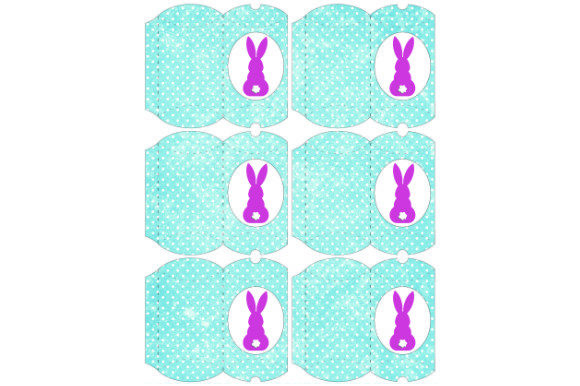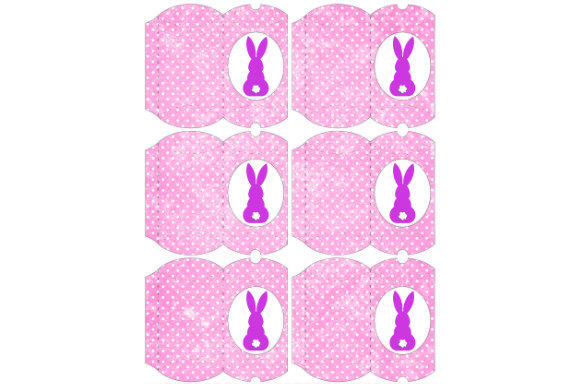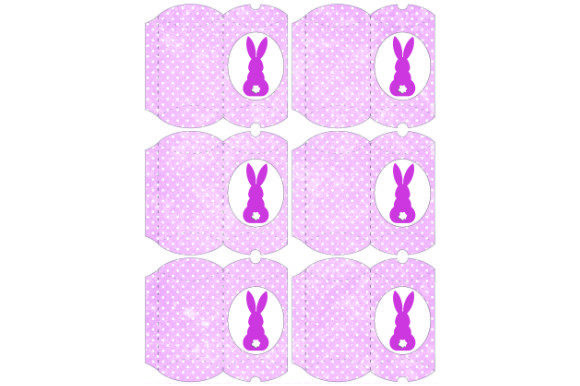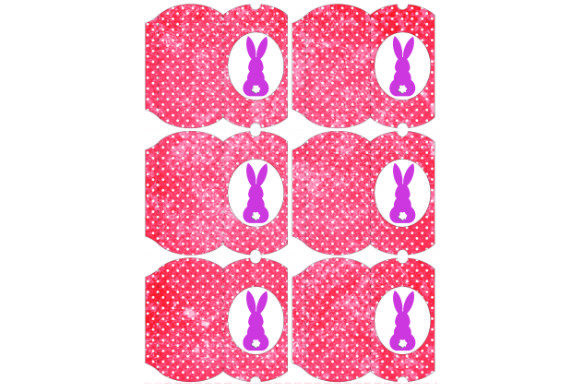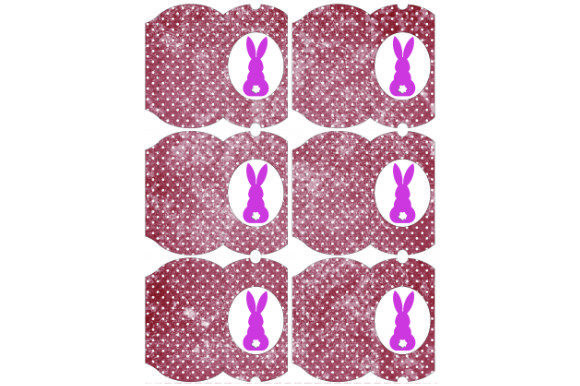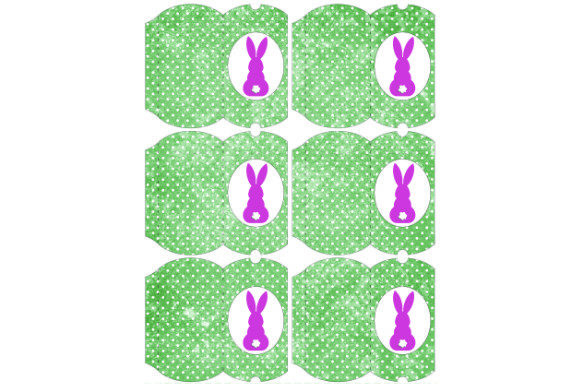
Pillow Boxes Bunny B.19: A Designer’s Stitch Review
When evaluating a new machine embroidery design for commercial or personal use, I always look beyond the digital preview to imagine how the artwork will translate into physical thread. Pillow Boxes Bunny B.19 presents an interesting hybrid challenge for makers and Etsy sellers. While primarily categorized as a 3D SVG for printable packaging, its aesthetic is rooted in the charm of traditional needlework. As a designer who frequently bridges the gap between digital assets and textile production, I see this file not just as a paper craft template, but as a potential blueprint for coordinating custom apparel and packaging branding.
The visual personality of Pillow Boxes Bunny B.19 is undeniably soft and nostalgic. It evokes the feeling of a vintage nursery or a high-end boutique favor box. For those of us in the craft business, this specific mood is gold. However, translating the clean vector lines of a 3D SVG concept into a stitched reality requires careful consideration of stitch density and fabric interaction. This review explores how to adapt this bunny motif for real-world embroidery projects, ensuring your finished product maintains that professional, handmade polish clients expect.
Real-World Application: The Bridal Shower Suite
To truly test the viability of this design, let’s consider a practical scenario many small shop product creators face: fulfilling a custom order for a bridal shower. Imagine a client wants personalized sweatshirts for the bridal party and matching favor boxes for guests. Using Pillow Boxes Bunny B.19 as the central theme allows for incredible brand consistency across different mediums.
In this case, I would treat the bunny illustration as a guide for creating a complementary embroidery file. On a cream-colored sweatshirt embroidery project, the bunny could be rendered using a combination of running stitch for delicate outlines and light fill stitch for texture. Because the original asset is designed for small-scale pillow boxes, the proportions are naturally compact. This makes it ideal for placement on a chest pocket area, a cuff, or even as a standalone embroidered patch that can be attached to tote bags or denim jackets later.
The value here lies in the cross-media potential. When you offer a personalized gift set where the packaging and the wearable item share the same artistic DNA, you elevate the perceived value of your work. Customers aren't just buying a shirt; they are buying a curated experience. For holiday embroidery or baby showers, this cohesive approach builds trust and encourages repeat business, as buyers recognize your signature attention to detail.
Navigating Fabric Texture and Scale Constraints
While the aesthetic of Pillow Boxes Bunny B.19 is versatile, its "tiny" nature demands respect during the digitizing and stitching process. Small designs are often more temperamental than large ones because there is zero margin for error regarding registration and puckering. If you are adapting this style for textiles, you must be hyper-aware of fabric texture.
On smooth fabrics like quilting cotton or poplin, fine details will shine. However, if you are working with textured materials like terry cloth towels, fleece blankets, or ribbed knitwear, the delicate features of the bunny may get lost. In these instances, I recommend simplifying the design. Reduce internal detail and rely on bold satin stitch borders or a full applique design technique to maintain clarity. A tiny running stitch outline that looks perfect on screen might disappear entirely into the pile of a plush baby blanket.
Hoop size selection is equally critical. Even though the design is small, do not use the smallest possible hoop. Using a slightly larger hoop with proper stabilizer provides better tension stability, preventing the fabric from distorting around such a concentrated area of stitches. Always test on scrap fabric first. Check if the thread colors provide enough contrast against your chosen background. A white bunny on ivory fabric might look elegant in a printable mockup, but in thread, it may lack the definition needed for visual impact unless you add a subtle shadow or outline.
Commercial Viability and Product Value
For creative entrepreneurs and digital product sellers, understanding the commercial application of Pillow Boxes Bunny B.19 is essential. If you are selling finished embroidered goods, this design style appeals to buyers looking for gender-neutral, timeless nursery decor or sophisticated party favors. It avoids the overly cartoonish look that can sometimes cheapen a handmade product.
However, a word of caution regarding licensing and adaptation: Always verify the specific terms of use before incorporating this asset into items for sale. If the license permits derivative works, you have the freedom to create a unique digital embroidery file inspired by the artwork. If it is strictly for paper crafting, you cannot legally stitch and sell it without modification or permission. Respecting intellectual property is a cornerstone of professionalism in the Etsy seller community.
From a marketing perspective, utilizing this design in both physical and digital spaces strengthens your brand. You can use the original 3D SVG files to create beautiful packaging for your embroidered patches or apparel, while using the stitched version as the main attraction. This duality saves time on content creation and ensures your shop has a unified visual identity. Whether you are making baby embroidery keepsakes or wedding gifts, this level of coordination signals to the buyer that you are a thoughtful, expert maker.
Designer Notes for Successful Execution
Before you load Pillow Boxes Bunny B.19 (or your adapted embroidery version) into your machine, run through this practical checklist to ensure professional results:
- Verify Compatibility: Confirm that any derived embroidery file matches your machine’s format and that the dimensions fit within your available hoop sizes.
- Stabilizer Strategy: For tiny designs, use a cut-away stabilizer for stretchy fabrics like knits to prevent distortion, and a tear-away for stable wovens. Consider a water-soluble topping for textured fabrics to keep stitches crisp.
- Contrast Testing: Stitch out a sample in black and white thread first. This removes color bias and reveals whether the design relies too heavily on color blending rather than structural stitch definition.
- Density Check: Ensure the stitch density isn’t too high for lightweight fabrics. Tiny designs can become bulletproof patches if over-digitized, causing the garment to drape poorly.
- Washability: If the end product is custom apparel or kitchen linens, test wash the sample. Fine details and satin stitches are prone to fraying; ensure your finishing techniques can withstand the intended lifecycle of the product.
- Mockup Accuracy: When listing items online, use realistic printable mockups that accurately represent thread sheen and texture, rather than flat vector graphics, to manage customer expectations.
Pillow Boxes Bunny B.19 offers a delightful foundation for makers who appreciate the intersection of paper crafting and textile art. By approaching this design with technical mindfulness and creative adaptability, you can transform a simple favor box template into a signature element of your embroidery portfolio. Whether used directly as inspiration for stitching or as the perfect packaging companion for your commercial embroidery ventures, it represents the kind of thoughtful, multi-functional asset that helps small businesses thrive.