Golf Light Box Layered Paper Cut: A Designer’s Review
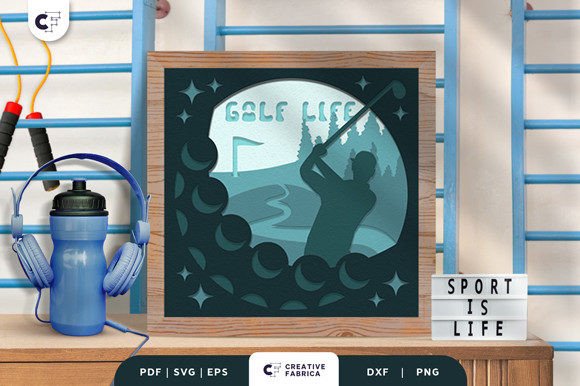
As a professional embroidery designer and product reviewer, I approach every new file with a critical eye toward its real-world application. When I first loaded the Golf Light Box Layered Paper Cut into my digitizing software, my immediate thought was not about how it looks on a screen, but how it translates to needle and thread. This design is marketed as a 3D SVG for paper crafting, featuring six majestic cutouts representing the sport. However, for those of us in the machine embroidery design space, this layered aesthetic presents a unique opportunity and a specific set of challenges. The mood is undeniably sophisticated and dimensional, evoking the serene yet focused atmosphere of a golf course at dusk. It feels less like a standard sports logo and more like an artistic tribute to the game, making it ideal for high-end personalized gift items rather than generic team merchandise.
Translating Paper Layers to Stitch Density
The primary consideration when adapting the Golf Light Box Layered Paper Cut for embroidery is interpreting depth. In a physical light box, depth is achieved through physical spacing and backlighting. In embroidery, we must simulate this using stitch density and color contrast. During my review, I evaluated how these six distinct layers would interact if converted into an applique design or a multi-layered fill stitch project. The "majestic" quality mentioned in the product description suggests sweeping landscapes or architectural elements of a golf course. For a sweatshirt embroidery project, simply stacking satin stitches could result in a bulletproof patch that distorts the fabric. Instead, I found that utilizing varying densities of fill stitch combined with strategic running stitch outlines best mimics the shadow-play of the original paper concept.
For small business owners and Etsy seller entrepreneurs, this distinction is vital. Your customers are paying for a premium look. If you attempt to replicate the paper cut style using only heavy satin stitch borders, the design may lose its delicate, layered charm. I recommend testing a conversion where the background layers use lighter density fills to recede visually, while the foreground elements utilize tighter stitches or applique to pop forward. This technique preserves the 3D illusion without compromising the drape of the garment.
Real-World Application: The Custom Tote Bag Scenario
To truly test the viability of this asset, I mentally walked through a recent client request for a luxury golf tournament gift. The client wanted a tote bag design that felt organic and upscale, avoiding the cliché crossed-clubs motif. The Golf Light Box Layered Paper Cut fit this brief perfectly because of its scenic composition. However, tote bags often feature textured canvas or linen, which can be unforgiving for intricate details.
In this scenario, I had to consider how the six layers would register on a coarse fabric texture. Fine paper-cut details can easily get lost in the weave of natural canvas. My practical advice for makers tackling this embroidery project is to slightly thicken the connecting points between layers. In a digital SVG, a hairline connection works fine; in embroidery, that same line will break or sink into the fabric. By reinforcing these structural elements during the digitizing or editing phase, you ensure the finished product remains legible and durable. Furthermore, because this design relies on layering, using a high-quality tear-away or cut-away stabilizer is non-negotiable to prevent puckering as the machine builds up the six distinct levels of the scene.
Navigating Fabric Limitations and Hoop Constraints
While the visual appeal of this design is high, it requires careful placement. I would advise against using the full six-layer version on stretchy performance wear or thin baby clothes. The cumulative stitch count required to create a convincing 3D effect creates significant tension. For baby embroidery or lightweight caps, consider isolating just two or three of the most impactful layers from the Golf Light Box Layered Paper Cut. This reduction maintains the theme while ensuring the garment remains comfortable and safe.
Additionally, verify your hoop size before committing to a production run. Layered designs often have expansive footprints to accommodate the perspective needed for the 3D effect. If you are working with a standard 4x4 hoop, you may need to resize significantly, which risks turning detailed landscape elements into unrecognizable blobs. Always check the minimum viable size for the specific embroidery file you are working with. Dark fabrics also present a challenge; since light box designs rely on translucency and shadow, stitching them on black navy requires adjusting thread colors to higher contrast values to ensure the layers remain distinct rather than merging into a dark mass.
Commercial Value and Professional Presentation
For creative entrepreneurs and craft business owners, the Golf Light Box Layered Paper Cut offers excellent versatility beyond apparel. Because of its scenic nature, it translates beautifully to home decor items like pillow covers or framed textile art. These categories often command higher price points than standard apparel. When listing these items, your printable mockup should accurately reflect the texture and dimensionality of the stitch-out. Do not use a flat digital rendering of the SVG as your primary product photo; buyers need to see how the layers interact in thread form to understand the value of the handmade product.
This design also serves as a strong asset for commercial embroidery targeting golf resorts or corporate events. It avoids trademark issues associated with specific club logos while still delivering a thematic punch. However, always confirm the licensing terms of the original digital embroidery file or source SVG before selling finished goods. Ensure you have the rights to use the design for commercial purposes, especially if you are modifying the layers to suit textile production. Professionalism extends beyond stitch quality to respecting intellectual property and delivering a consistent brand experience.
Essential Pre-Stitch Checklist for Makers
Before you thread your needle or finalize your listing, run through this practical checklist to ensure success with the Golf Light Box Layered Paper Cut:
- Test on Scrap Fabric: Never stitch this complex layered design directly on a final product first. Use a scrap of the exact material and stabilizer combination intended for the project to check registration and density.
- Evaluate Thread Contrast: Print a black and white version of your stitch plan. If the layers look identical in grayscale, they will likely blend together in color. Adjust shade values to maintain separation.
- Check Small Details: Inspect any tiny lettering or intricate grass/tree elements included in the six cutouts. If they are smaller than 5mm, consider removing or simplifying them to prevent thread breaks.
- Verify Stabilizer Choice: Given the potential density of six layers, ensure your stabilizer weight matches the stitch count. Multiple layers may require floating a second piece of stabilizer mid-stitch.
- Assess Washability: If creating tea towels or apparel, perform a wash test. Layered paper-style designs can sometimes trap water or take longer to dry; ensure the backing doesn't degrade after laundering.
- Confirm Licensing: Double-check whether the source file allows for modification and commercial sale of physical products versus digital files.
Ultimately, the Golf Light Box Layered Paper Cut is a stunning conceptual piece that bridges the gap between paper crafting and textile art. It demands respect for the medium and thoughtful adaptation, but for the maker willing to put in the testing and refinement, it yields a custom apparel or decor item that stands head and shoulders above standard sports embroidery. By treating the layers as opportunities for textural contrast rather than mere shapes, you transform a digital file into a tangible, high-value creation that resonates with golf enthusiasts and art lovers alike.