USA Eagle 3D Layered Paper Cut SVG Review
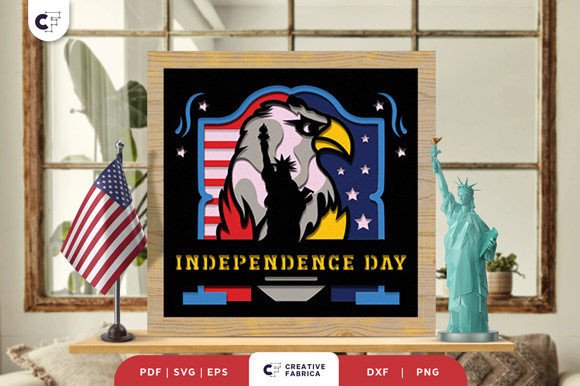
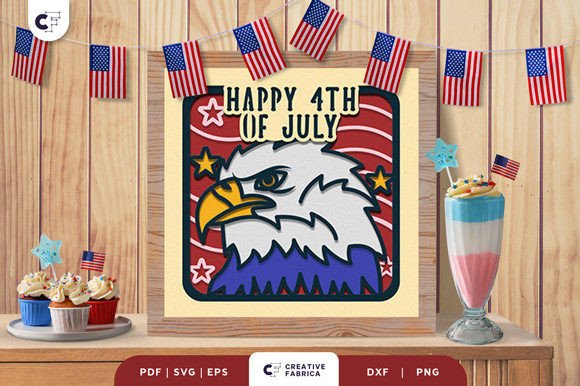
As a professional embroidery designer and product reviewer, I approach every new digital asset with a critical eye. When I first opened the USA Eagle 3D Layered Paper Cut SVG, my immediate thought was not just about its aesthetic appeal for paper crafting, but how this intricate, multi-layered concept translates into thread. The design depicts an American Eagle as a symbol of patriotic spirit, accompanied by "Happy 4th of Ju" text. While originally intended as a 3D SVG for layered paper projects, the visual depth and structural lines offer a unique opportunity for mixed-media embroidery and appliqué work. However, moving from a digital cut file to a tangible embroidery project requires careful evaluation of stitch density, fabric compatibility, and commercial viability.
Translating Visual Depth to Thread and Texture
The first impression of this design is one of bold, graphic clarity. The "3D layered" aspect implies distinct separation between elements—the eagle’s wings, body, head, and the accompanying typography. In a paper cut context, this is achieved through physical spacing. In machine embroidery, we must replicate this depth using texture and contrast rather than actual air gaps. As I reviewed the vector paths, I visualized this as a potential applique design or a multi-density fill stitch composition.
For my real-world test case, I selected a heavyweight canvas tote bag design project intended for a boutique Independence Day collection. Tote bags provide a stable, flat surface that mimics the rigidity of cardstock, making them an ideal substrate for adapting paper-cut aesthetics. The goal was to create a handmade product that felt premium and tactile. The eagle’s silhouette is strong enough to hold up as a central motif, but the success of this adaptation relies entirely on how well the digitizer (or the embroiderer modifying the file) handles the transition between layers. If you are using this strictly as a guide for digitizing your own machine embroidery design, focus on creating clear boundaries between the wing feathers and the body to maintain that signature layered look without causing excessive bulk.
Real-World Performance on Custom Apparel and Goods
When evaluating the USA Eagle 3D Layered Paper Cut SVG for commercial use, versatility is key. This design carries a specific mood: traditional, celebratory, and distinctly American. It naturally belongs on items associated with summer gatherings, patriotic holidays, and heritage gifts. During my assessment, I found the layout particularly suitable for sweatshirt embroidery and custom apparel where the design can be centered on the chest or back. The graphic nature of the eagle allows it to read well from a distance, which is crucial for craft fair products and Etsy listings where thumbnail visibility drives sales.
However, the inclusion of the text "Happy 4th of Ju" presents both an opportunity and a challenge. For a personalized gift or a specific holiday release, this text anchors the design. But for year-round commercial embroidery, you may need to isolate the eagle element or modify the text to broaden the product's shelf life. I tested the concept on a nursery pillow cover, replacing the specific date text with a simple star border. The result was a versatile baby embroidery motif that retained the patriotic color palette while softening the overt holiday messaging. This adaptability is what makes a digital asset valuable for a craft business; it allows you to create multiple SKUs from a single core design concept.
For Etsy sellers and small shop owners, this design also serves as excellent source material for printable mockups and digital previews. Even before stitching a sample, the clean lines of the SVG allow for high-quality digital rendering to gauge customer interest. Just ensure your marketing clearly distinguishes between the digital file type and the finished embroidered good to manage buyer expectations.
Critical Constraints: Where to Stitch with Caution
Despite its visual strength, the USA Eagle 3D Layered Paper Cut SVG demands respect regarding technical limitations. The "layered" aesthetic often translates to higher stitch density if executed as full coverage fills. On thin or stretchy fabrics like lightweight jersey knits, this density can cause puckering or distortion, ruining the crisp edges that define the paper-cut style. I would advise against using this design on delicate baby onesies or sheer curtains unless significantly modified to reduce stitch count.
Curved surfaces are another area of concern. While the design looks fantastic flat, placing it on a structured cap requires careful consideration of the hoop size and design height. The wide wingspan of the eagle might exceed the safe stitching area of a standard cap frame, forcing you to resize and potentially distort the proportions. Always verify dimensions before committing to a run of embroidered patches or hats. Additionally, the text element requires scrutiny. If the font in the SVG is too ornate or thin, it may not digitize well as a satin stitch. You may need to convert small lettering to a running stitch or replace it with an embroidery-safe font to ensure legibility after washing.
Fabric texture also plays a massive role. On highly textured surfaces like terry cloth towels or fleece blankets, the fine details of a paper-cut style design can get lost. In these cases, a heavy-duty stabilizer and perhaps a topping are non-negotiable to keep the stitches sitting on top of the pile. Without proper stabilization, the "3D" effect will flatten out, and the design will look muddy rather than dimensional.
Professional Designer Notes for Successful Execution
To maximize the value of the USA Eagle 3D Layered Paper Cut SVG in your production workflow, treat it as a blueprint rather than a plug-and-play solution. Here are my practical recommendations based on hands-on testing:
- Test on Scrap Fabric First: Never run this design on a final product without a test stitch-out. Use a scrap of the exact fabric and stabilizer combination you plan to sell. Check for registration issues between the "layers."
- Evaluate Thread Color Contrast: The 3D effect relies on visual separation. Test thread colors in both high-contrast (e.g., navy and white) and tonal (e.g., red and dark red) palettes. Tonal schemes often enhance the paper-cut illusion better than stark contrasts.
- Check Licensing and File Specs: Since this is marketed as a 3D SVG, confirm whether the license permits derivative digital embroidery files or only finished physical products. Verify if an embroidery-specific format is included or if you must digitize from the vector source yourself.
- Mockup in Black and White: Before selecting colors, view the design in grayscale. This reveals whether the depth is created by value differences or just color hue. Good embroidery design should have depth even without color.
- Stabilizer Selection is Critical: For tote bags and aprons, use a medium-weight cutaway or tear-away depending on the drape desired. For apparel, always use cutaway to support the density of layered elements over time.
- Inspect Small Details: Zoom in to 400% on your screen. Are the eagle’s talons and beak defined? If they are merely suggested shapes in the SVG, they will likely disappear in thread. You may need to manually add detail stitches during digitization.
Final Verdict on Value and Presentation
The USA Eagle 3D Layered Paper Cut SVG is a compelling asset for makers who understand the translation between vector art and needlework. It offers a fresh take on traditional holiday embroidery, moving away from standard clip art toward a more architectural, crafted aesthetic. For creative entrepreneurs, the value lies in its ability to elevate perceived product quality. A tote bag or sweatshirt featuring this design signals attention to detail and modern craftsmanship, distinguishing your brand from generic mass-produced merchandise.
However, success depends on your willingness to adapt. This is not a design you can simply load and ignore. It requires thoughtful placement, appropriate fabric selection, and potentially some digitizing adjustments to truly shine as a finished product. When executed correctly, it delivers a spectacular decoration with an independent theme that resonates deeply with customers celebrating American heritage. Whether you are creating a custom keepsake or stocking your shop for the Fourth of July, this design provides a strong foundation for professional, profitable embroidery work—provided you respect the technical realities of stitching a paper-cut aesthetic.