Valentine's Day Paper Cut 3D SVG: A Designer’s Review
As a professional embroidery designer and product reviewer, I approach every new digital asset with a critical eye. When evaluating the Valentine s Day Paper Cut 3D SVG Wsing, my primary concern is not just how the file looks on a screen, but how it translates into a tangible, high-quality finished product. This design originates from a laser cutting context, which presents unique opportunities and challenges for machine embroidery adaptation. For Etsy sellers, craft business owners, and makers preparing for the Valentine S Day rush, understanding the structural integrity of this vector-based artwork is essential before committing thread to fabric.
Translating Laser Vectors to Stitch Logic
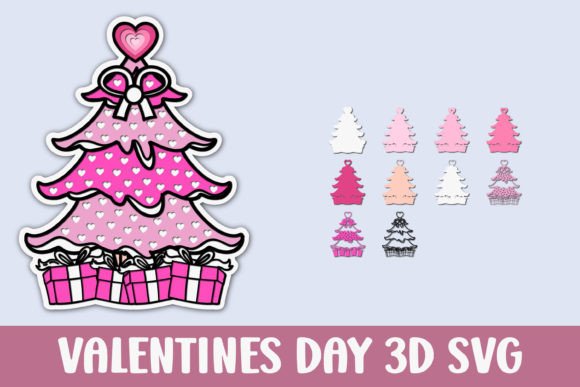
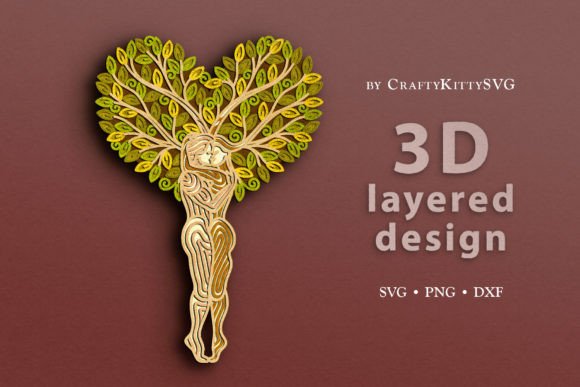
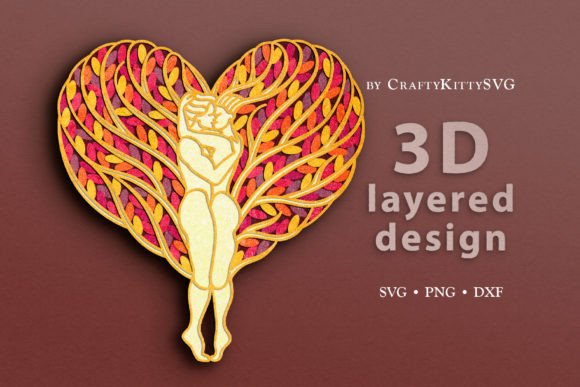
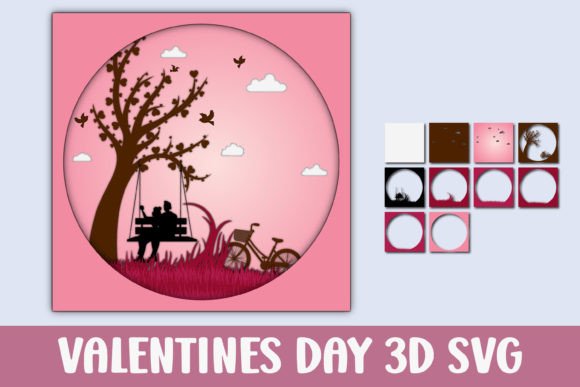
The first impression of the Valentine s Day Paper Cut 3D SVG Wsing is one of intricate depth and romantic layering. Because this file was originally intended for laser cutting, the lines are mathematically precise, featuring clean curves and distinct separation between layers. Visually, this creates a stunning "paper cut" aesthetic that feels modern yet nostalgic. However, as an embroidery designer, I immediately look at these vectors as potential stitch paths. The distinct layers in the SVG file are excellent for creating dimensional applique designs or multi-layered felt projects, but they require careful digitizing consideration.
Unlike native embroidery files, laser vectors lack inherent stitch attributes. When adapting this design for custom apparel or home decor, you must decide where to use satin stitches for smooth edges versus fill stitches for broader coverage. The precision of the original AI and EPS files means that registration marks can be incredibly accurate, provided your digitizing software interprets the nodes correctly. For those creating personalized gifts, this level of detail allows for sophisticated monogram integration within the paper-cut negative spaces, elevating the perceived value of the handmade product significantly.
Real-World Application: The Layered Nursery Pillow Test
To truly evaluate this asset, I mentally applied it to a specific real-life scenario: creating a premium, layered nursery pillow cover for a boutique shop listing. In this context, the Valentine s Day Paper Cut 3D SVG Wsing serves as the central motif. The goal was to move beyond standard flat embroidery and create a textured, tactile experience that justifies a higher price point.
In this test case, the separate PNG and SVG layers proved invaluable. Instead of stitching everything onto a single base fabric, I utilized the individual layer files to cut matching fabric pieces (using the laser-compatible vectors) and then embroidered them together. The result is a true 3D effect where shadows naturally form between fabric layers. For a sweatshirt embroidery project or a baby embroidery item, this technique adds visual weight without excessive stitch density that could make the garment stiff or uncomfortable. Customers react positively to this mixed-media approach because it bridges the gap between digital precision and artisanal warmth. It signals that the maker has invested time in construction, not just automated stitching.
Navigating Fabric Limitations and Hoop Constraints
While the design is versatile, practical judgment dictates caution in certain applications. The intricate nature of paper cut styles means there are often thin connecting points and detailed interior cutouts. These elements perform beautifully on stable fabrics like cotton canvas, denim, or wool felt, but they pose risks on stretchy knits or sheer materials.
- Stretchy Fabrics: If using this design for t-shirts or lightweight sweatshirts, the open areas of the paper cut style may distort during washing. A heavy-duty cut-away stabilizer is non-negotiable here to maintain the geometric integrity of the design.
- Small Hoop Sizes: Scaling down complex laser vectors for small hoops (like 4x4) requires simplification. Tiny internal details that look crisp in the PDF print file may turn into thread nests when stitched at reduced sizes. Always verify the minimum viable size before production.
- Dark vs. Light Fabrics: Paper cut aesthetics rely heavily on contrast. On dark fabrics, ensure your thread colors provide sufficient definition against both the background fabric and adjacent stitch layers. Test black and white mockups to confirm the silhouette remains readable.
- Curved Surfaces: Applying this detailed design to caps or curved tote bags can be tricky. The rigid geometry of laser-style vectors does not always drape well over compound curves. Flat surfaces like pillow covers, tea towels, or framed art are safer bets for maintaining design fidelity.
Commercial Viability and Brand Consistency
For creative entrepreneurs and digital product sellers, the Valentine s Day Paper Cut 3D SVG Wsing offers significant commercial potential, but only if executed professionally. The included AI, EPS, and PDF files allow for consistent branding across multiple mediums. You can use the exact same vector artwork for printable mockups, packaging stickers, and the final embroidered patch, creating a cohesive brand identity that builds customer trust.
However, value perception hinges on execution. A poorly stabilized embroidery project based on this design will look amateurish, regardless of how beautiful the source file is. When selling finished products on Etsy or at craft fairs, the cleanliness of the satin stitch borders and the alignment of layered elements serve as direct indicators of quality. Buyers engage more readily with listings that show close-up texture shots demonstrating precise registration. Furthermore, because this design bridges laser cutting and embroidery, it appeals to a niche market of makers who utilize hybrid workflows, potentially expanding your customer base beyond traditional embroidery enthusiasts.
Critical Pre-Production Checklist for Makers
Before listing any item featuring this design or selling the adapted embroidery file itself, rigorous testing is mandatory. As a reviewer, I cannot stress enough that vector perfection does not equal stitch perfection. Follow these practical steps to ensure success:
- Verify Licensing: Confirm whether your purchase includes commercial rights for selling finished physical products versus digital embroidery files. The description mentions support availability; utilize this to clarify usage terms before scaling production.
- Density Audit: Import the SVG into your digitizing software and check stitch density. Laser vectors often create overlapping areas that, when converted to fill stitches, become bulletproof. Manually adjust density or add underlay to prevent fabric puckering.
- Contrast Testing: Stitch a sample using your intended thread colors on the actual garment fabric. Screen brightness is deceptive; physical thread reflects light differently. Ensure the "paper cut" shadow effects are visible in natural lighting.
- Wash Test: For baby embroidery or kitchen textiles, wash and dry the sample three times. Check for fraying at the intricate vector points and ensure the stabilizer holds up against agitation.
- Mockup Accuracy: Use the provided PNG layers to create realistic digital previews, but always caption them accurately. If the final product involves physical layering rather than simulated shading, communicate this clearly to avoid buyer disappointment.
The Valentine s Day Paper Cut 3D SVG Wsing is a sophisticated asset that rewards thoughtful application. It moves beyond generic holiday clipart, offering a structural foundation for high-end, textured embroidery work. By respecting the translation process from laser vector to stitch file, and by carefully selecting appropriate fabrics and stabilization methods, makers can transform this digital download into a standout Valentine S Day collection piece. Whether you are crafting a bespoke gift or building inventory for a busy season, let practical craftsmanship guide your use of this versatile design asset. Success lies not just in owning the file, but in mastering its physical expression through needle and thread.